
Not all children cry when they are hurt.
Some children learn very early that asking for help is not an option.
These are the children who stay silent. They don’t complain, don’t demand, and don’t express their struggles openly. From the outside, they may seem “adjusted,” “well-behaved,” or “strong.” But behind this silence often lies fear, neglect, or repeated disappointment.
Silence in children is not always peace. Sometimes, it is survival.
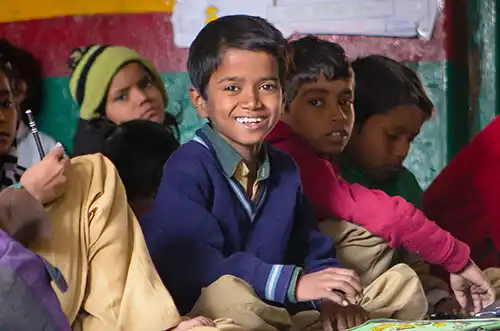
Why Some Children Stop Asking for Help
Children are naturally expressive. When a child stops asking for help, it is usually learned behavior, shaped by their environment.
Common reasons include:
- Being ignored or dismissed repeatedly
- Fear of punishment or blame
- Growing up too early with responsibilities
- Witnessing stress or hardship at home
- Believing their problems are not important
Over time, these children internalize one message: “I must manage on my own.”
The Emotional Weight of Staying Silent
Children who do not ask for help often carry emotional burdens far heavier than their age. They may:
- Struggle silently with fear or anxiety
- Feel unworthy of care or attention
- Suppress emotions instead of expressing them
- Develop low self-esteem
- Find it difficult to trust adults
This silence can affect their learning, relationships, and mental well-being. In classrooms, they may fall behind without ever raising their hand. At home, they may hide pain behind obedience.
Why Silence Is Often Misunderstood
Quiet children are frequently praised for being “easy” or “mature.” But compliance is not always comfort.
A silent child is often a child who has learned that their voice does not change outcomes. This misunderstanding delays support and allows emotional wounds to deepen.
Listening is not just about hearing words—it is about noticing what is not being said.
How Silence Affects Education and Growth
When children don’t ask for help:
- Learning gaps widen unnoticed
- Confidence slowly erodes
- Fear of failure increases
- Curiosity fades
Education thrives on questions. A child who feels unsafe to ask questions slowly disconnects from learning itself.
Our NGO’s Approach: Creating Safe Voices
At our NGO, we believe every child deserves to be heard—even when they don’t know how to speak yet.
We focus on:
- Building trust before instruction
- Creating judgment-free spaces
- Encouraging expression through conversation, art, and play
- Supporting emotional literacy
- Training mentors to notice behavioral cues
Sometimes, helping a child begins with patience, not questions.
The Power of One Safe Adult
Research and experience both show that one trusted adult can change a child’s life. When a child feels safe with someone, silence slowly turns into expression.
That one person could be:
- A teacher
- A volunteer
- A mentor
- A caregiver
Consistency, kindness, and listening—these are often more powerful than advice.
Teaching Children That Asking for Help Is Strength
One of the most important lessons we can give children is that:
- Asking for help is not weakness
- Their feelings are valid
- Their struggles matter
When children learn this, they grow into adults who communicate, seek support, and build healthier relationships.
What Communities Can Do
You don’t need special training to support a silent child. Small actions matter:
- Observe without assumptions
- Listen without interrupting
- Respond with empathy, not judgment
- Reassure children that they are not a burden
Silence breaks when safety begins.
Giving Voice to the Quietest Hearts
Every child has a story. Some just don’t know yet that their story deserves to be heard.
As a society, our responsibility is not only to help children who cry out—but also to reach those who stay quiet.
Because sometimes, the children who need help the most are the ones who never ask.