
Non-Governmental Organizations (NGOs) are the unsung heroes of social change. Across the globe, these organizations are tirelessly working to address issues that affect millions of lives, from education and healthcare to poverty alleviation, women’s empowerment, and environmental protection. While governments set policies and provide infrastructure, NGOs are often on the frontlines, directly interacting with communities and implementing programs that make tangible differences.
In today’s interconnected world, NGOs are more crucial than ever. They not only provide essential services but also advocate for policy changes, raise awareness about critical social issues, and empower individuals to become self-reliant.
The Importance of NGOs in Society
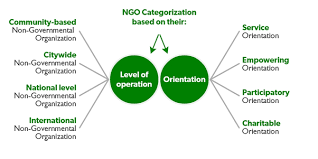
NGOs fill gaps in social services and community development, especially in areas where government resources are limited or inaccessible. They focus on uplifting marginalized groups, promoting equality, and ensuring sustainable development. The role of NGOs is multifaceted—they educate, provide healthcare, promote human rights, conserve the environment, and respond to disasters.

Key Roles of NGOs:
- Education for All:
Millions of children worldwide still lack access to basic education. NGOs step in by building schools, providing scholarships, training teachers, and running literacy programs. For example, programs targeting rural areas often use mobile classrooms or digital learning tools to reach children in remote villages. - Healthcare Initiatives:
Access to affordable and quality healthcare remains a challenge in many developing regions. NGOs organize vaccination drives, health camps, and mobile clinics, often providing services where local hospitals are scarce. Initiatives like maternal and child health programs have saved thousands of lives. - Environmental Protection:
NGOs actively work on climate change mitigation, reforestation projects, wildlife conservation, and promoting sustainable practices in communities. By creating awareness and involving local populations, they ensure long-term environmental sustainability. - Social Justice and Human Rights:
NGOs advocate for marginalized communities, including women, minorities, and persons with disabilities. They provide legal aid, awareness programs, and support initiatives to ensure equality and justice. - Disaster Relief and Rehabilitation:
During natural calamities like floods, earthquakes, and cyclones, NGOs are often the first responders, providing food, shelter, medical aid, and rebuilding communities after disasters.
Real-Life Impact Stories
- Education Transformation:
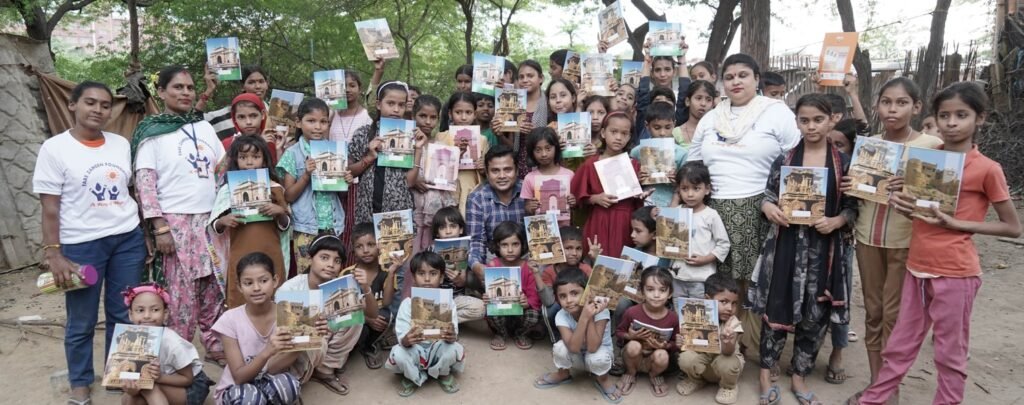
In rural India, an NGO set up mobile learning centers for children who could not travel to schools due to distance or poverty. Over five years, literacy rates in the villages increased by nearly 40%, and hundreds of children were able to pursue higher education. - Healthcare Breakthroughs:
An NGO operating in sub-Saharan Africa initiated a maternal health program, training local midwives and supplying essential medicines. The program reduced maternal mortality rates in targeted communities by more than 30% within three years. - Women Empowerment Programs:
Across Southeast Asia, NGOs provide vocational training, microloans, and mentorship programs for women. Many women have started their own small businesses, contributing financially to their families and gaining confidence and independence. - Environmental Initiatives:
NGOs working on reforestation in Brazil have planted over two million trees, restored local habitats, and engaged communities in sustainable agricultural practices, creating both environmental and economic benefits.
Challenges Faced by NGOs
While NGOs achieve remarkable impact, they often face significant challenges:
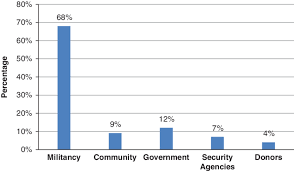
- Funding Constraints: Many NGOs rely heavily on donations and grants, which can be unpredictable. A lack of consistent funding can limit program continuity and outreach.
- Bureaucratic Hurdles: Legal compliance, government regulations, and administrative delays can slow down projects.
- Measuring Impact: Quantifying social change is complex. NGOs must demonstrate results to maintain credibility and attract donors.
- Community Resistance: Sometimes, local beliefs or cultural barriers can hinder program implementation.
Strategies to Overcome Challenges:
- Partnerships and Collaboration: NGOs can work with governments, corporates, and international organizations to pool resources and expand impact.
- Leveraging Technology: Using digital tools for project management, reporting, and awareness campaigns improves efficiency and transparency.
- Community Engagement: Involving locals in decision-making ensures programs are relevant and sustainable.
- Capacity Building: Training staff and volunteers enhances organizational efficiency and service delivery.
How Individuals Can Support NGOs
Supporting NGOs doesn’t always mean financial contributions. Everyone can make a difference:
- Volunteering: Offer time, skills, or expertise in areas like teaching, health services, digital campaigns, or fundraising.
- Donations: Contribute money, supplies, or resources to support specific projects or general operations.
- Spreading Awareness: Use social media, blogs, and community platforms to share NGO campaigns and success stories.
- Advocacy: Support policies and initiatives that empower communities, protect the environment, and promote human rights.
The Broader Impact of NGOs
The presence of NGOs strengthens societies by fostering community participation, encouraging social responsibility, and promoting inclusivity. By addressing systemic issues, NGOs contribute to long-term development and resilience.
Statistics show that in countries where NGOs actively participate in healthcare, education, and poverty alleviation, child mortality rates drop, literacy improves, and community engagement rises significantly. For example, UNICEF reports that partnerships with local NGOs have been instrumental in increasing vaccination coverage for children worldwide.
Key Points of the Blog:
- NGOs are essential for social development and empowerment.
- They address education, healthcare, environment, human rights, and disaster relief.
- Real-life examples highlight tangible impacts.
- NGOs face challenges like funding and bureaucracy but can overcome them through collaboration and technology.
- Individuals can support NGOs through volunteering, donations, advocacy, and awareness campaigns.
- NGOs contribute to sustainable development and long-term societal transformation.
Conclusion
NGOs are more than charitable organizations—they are engines of transformation. By addressing critical societal challenges, empowering vulnerable populations, and advocating for sustainable change, NGOs create a ripple effect that benefits entire communities.
Every contribution, whether through time, resources, or awareness, magnifies their impact. Supporting NGOs is not just philanthropy; it is an investment in a better, more equitable world.