
In today’s rapidly changing world, many communities still face challenges that prevent them from reaching their full potential. Non-Governmental Organizations (NGOs) act as catalysts for progress, stepping in where resources, awareness, or opportunities are limited. They focus not only on immediate relief but also on long-term development, empowering individuals and communities to thrive independently.
Unlike large government programs, NGOs operate at the grassroots level. This allows them to understand the unique needs of each community, craft innovative solutions, and make meaningful, measurable differences in people’s lives.
The Core Objectives of NGOs
NGOs work across multiple domains, each targeting critical social issues. Their objective is not merely to provide aid but to create sustainable systems that benefit communities over time.
Key Focus Areas:
- Poverty Alleviation:
NGOs implement programs to provide livelihood opportunities, skill development, and financial literacy. These programs help families break the cycle of poverty and achieve economic stability. - Access to Clean Water and Sanitation:
Many communities still lack safe drinking water and sanitation facilities. NGOs construct wells, provide filtration systems, and educate communities on hygiene practices, preventing waterborne diseases. - Child Welfare and Protection:
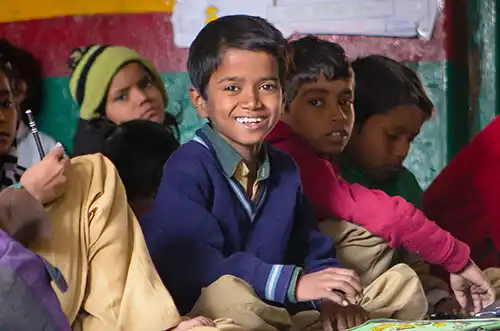
Protecting children from abuse, exploitation, and neglect is a major focus. NGOs provide safe spaces, education, healthcare, and mentorship to ensure children grow up with opportunities for a better future. - Promoting Mental Health and Wellbeing:
Mental health is often overlooked, especially in underserved areas. NGOs run counseling programs, awareness campaigns, and support groups to help individuals cope with stress, trauma, and social challenges. - Promoting Social Inclusion:
NGOs work to empower marginalized groups, including differently-abled individuals, ethnic minorities, and refugees. Inclusion programs provide equal opportunities in education, employment, and community participation.
Real-Life NGO Impact
- Economic Empowerment: An NGO in rural India provided women with training in handicrafts and microloan support. Within two years, many women started small businesses, improving their family income and status in society.
- Clean Water Initiatives: In sub-Saharan Africa, NGOs drilled borewells and educated communities about sanitation. This significantly reduced instances of waterborne illnesses and improved overall health.
- Child Protection Programs: In Latin America, NGOs set up child-friendly learning centers for street children, giving them access to education, healthcare, and mentorship. Many of these children have gone on to pursue higher education.
- Mental Health Awareness: NGOs in urban India organized workshops and helplines for stress management and counseling, helping hundreds of young adults cope with mental health challenges.

Challenges Faced by NGOs
While their work is impactful, NGOs often face obstacles:
- Limited Resources: Funding shortages can restrict the scale and reach of programs.
- Cultural Barriers: Local traditions or resistance can slow the adoption of new programs.
- Measuring Impact: Quantifying social progress is complex, making evaluation and accountability crucial.
- Volunteer Retention: NGOs rely heavily on volunteers, and high turnover can affect program continuity.
Strategies for Overcoming Challenges:
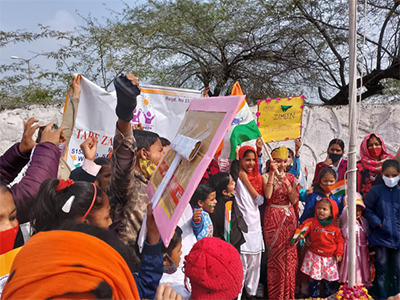
- Collaborate with other NGOs, government agencies, and corporates for resources and expertise.
- Implement robust monitoring and evaluation systems to track outcomes.
- Use awareness campaigns to educate communities about the benefits of programs.
- Invest in volunteer training and engagement to retain committed support.
How You Can Contribute
Supporting NGOs goes beyond donations. Here are ways to get involved:
- Volunteer Your Skills: Offer expertise in education, healthcare, technology, or community development.
- Financial Support: Contribute to specific programs or general operations.
- Raise Awareness: Share success stories, campaigns, and initiatives within your network.
- Advocate for Change: Participate in policy discussions and campaigns that benefit communities.
Key Points of the Blog:
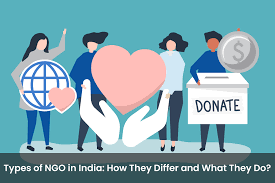
- NGOs address poverty, education, healthcare, child welfare, mental health, and social inclusion.
- Grassroots initiatives allow NGOs to create sustainable, community-specific solutions.
- Real-life examples show measurable positive outcomes.
- Challenges include funding, cultural barriers, and volunteer retention.
- Individuals can contribute through volunteering, donations, advocacy, and awareness.
- NGOs play a vital role in building long-term, inclusive societal progress.
Conclusion
NGOs are more than charitable organizations—they are agents of transformation. By addressing social inequalities, providing essential services, and empowering communities, NGOs plant the seeds of long-term change.
Every effort, no matter how small, contributes to a collective mission of hope, equality, and sustainable development. Supporting NGOs today means creating a brighter, more inclusive tomorrow.